Twenty days in Japan, part 3: Kyoto, Kanazawa, and an onsen town
The back half slows down on purpose: a week in and around Kyoto, based by the station (unromantic, and the correct choice — every day trip leaves from there), then the loop closes with a Tokyo victory lap.
Part 3 of 3 — the full plan, route map, and costs are in part 1: the trip plan, Tokyo, Kamakura, and Mt Fuji; the Kansai leg is part 2: Osaka, Nara, Hiroshima, Himeji. Photos are CC-licensed from Wikimedia Commons — credits in each caption.
| Day | Stop | Don’t miss | Getting there | Rating |
|---|---|---|---|---|
| 11 | Kyoto, east side | Kiyomizu-dera, Gion at dusk | bus/foot | ★★★★★ |
| 12 | Kanazawa | Kenroku-en, gold-leaf soft serve | rail, ~2 h, JR Pass | ★★★★★ |
| 13 | Arashiyama + Fushimi | bamboo at 8 am, torii at dusk | JR + foot | ★★★★★ |
| 14 | Kinosaki Onsen | seven baths, one yukata, ryokan night | express, ~2.5 h, JR Pass | ★★★★★ |
| 15 | Uji | tea ceremony at Taihō-an | JR, ~20 min, ~¥240 | ★★★★★ |
| 16 | Kyoto hills | Kinkaku-ji at 9 am, Kibune–Kurama hike | Eizan line, ~30 min, ~¥470 | ★★★★★ |
| 17–20 | Tokyo | Gōtokuji, Shimokitazawa, Golden Gai | Shinkansen, ~2.5 h, JR Pass | ★★★★★ |
Day 11: Kyoto’s east side
★★★★★ · Base: near Kyoto Station. The eastern hills are a walking day — temple, preserved lanes, then the nightlife alleys.
- Kiyomizu-dera ★★★★★ · ~¥400 — the wooden terrace hanging off the hillside, then downhill through the preserved lanes of Sannenzaka to the Yasaka Pagoda, the most photographed five storeys in the city.
- Gion at dusk ★★★★★ · free — if you spot a geiko or maiko, the etiquette is simple: no chasing, no flash, and some alleys are marked private. The city means it.
- Pontochō ★★★★★ · free — a lantern-lit alley one tatami mat wide that is somehow also a restaurant district.
- Kichi Kichi omurice ★★★★★ · ~¥3,000 — food’s strangest reservation system: show up ~8 am for the day’s password, book online when slots open at 9. Absurd, and worth it — the chef’s omelette flip is dinner and a show in one.
- Dessert detour ★★★★★ — This is Shizen’s flower-bouquet gelato; Kumonocha’s cloud-shaped cheesecake. Vegetarian-friendly gyoza at Motoi.
Day 12: Kanazawa, the gold-leaf day trip
★★★★★ · ~2 h north by rail (JR Pass). Kanazawa makes nearly all of Japan’s gold leaf and has the confidence to put it on ice cream. Check opening days before you build the loop — the D.T. Suzuki Museum was closed the day we came.
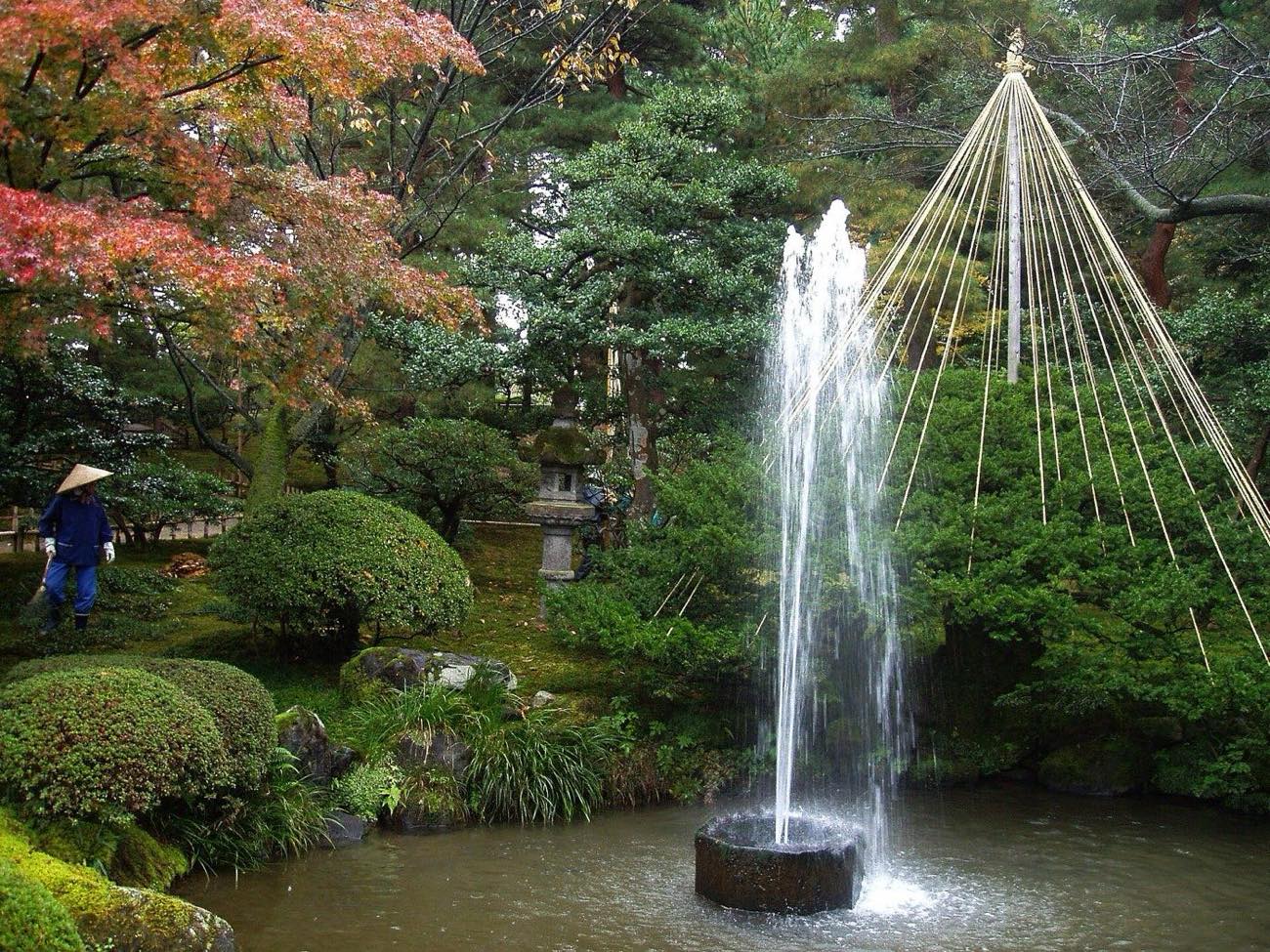
- Kenroku-en ★★★★★ · ¥320 — one of Japan’s “three great gardens” and the rare famous thing that over-delivers: landscape as slow television, with a fountain running on nothing but water pressure since the 1860s.
- Ōmichō market ★★★★★ · ~¥2,000 for sushi — Mori Mori conveyor sushi at market prices; the Sea of Japan side takes its fish personally.
- Gold-leaf soft serve at Hakuichi ★★★★★ · ~¥900 — obviously.
- Higashi Chaya + Oyama Jinja ★★★★★ · free — preserved teahouse streets for the last hour of light, and a shrine gate with a strange stained-glass tower.

Day 13: bamboo at dawn, torii at dusk
★★★★★ · Arashiyama by JR in the morning, Fushimi Inari at day’s end — the crowd-dodging day, bookended.
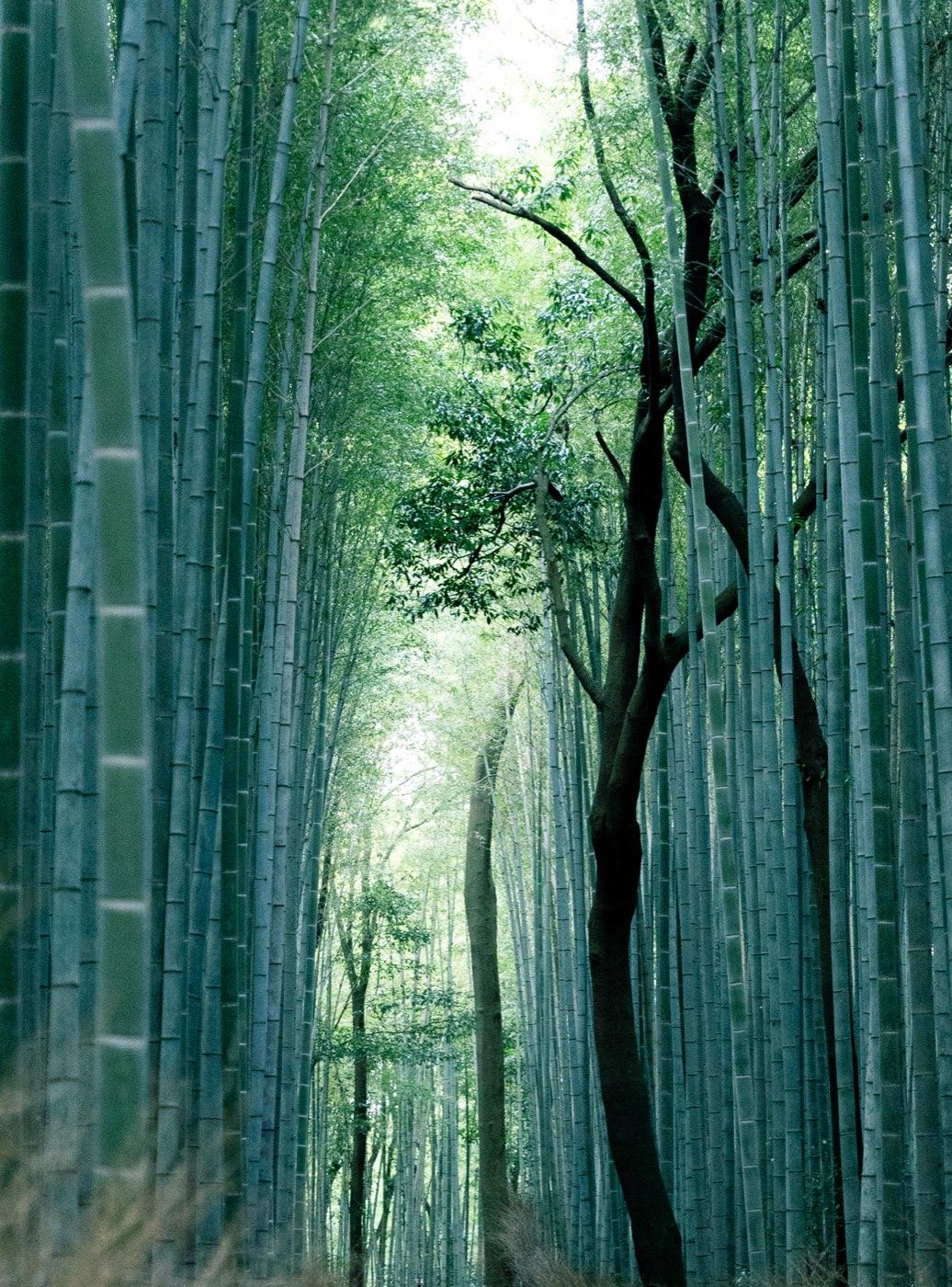
- Arashiyama bamboo grove ★★★★★ · free — a different place at 8 am than at 11. Walk it quiet, then give the morning to Tenryū-ji (¥500), the Zen temple whose garden borrows the whole mountain.
- Shigetsu temple lunch ★★★★★ · from ~¥3,800, book ahead — shōjin-ryōri, a dozen small vegetarian dishes on tatami facing the garden. The calmest meal in Japan.
- Philosopher’s Path + Nanzen-ji + Eikandō ★★★★★ · path free — a canal-side walk under a cherry canopy; in late March, the best free thing in Kyoto. Fill any gap at Nishiki Market.
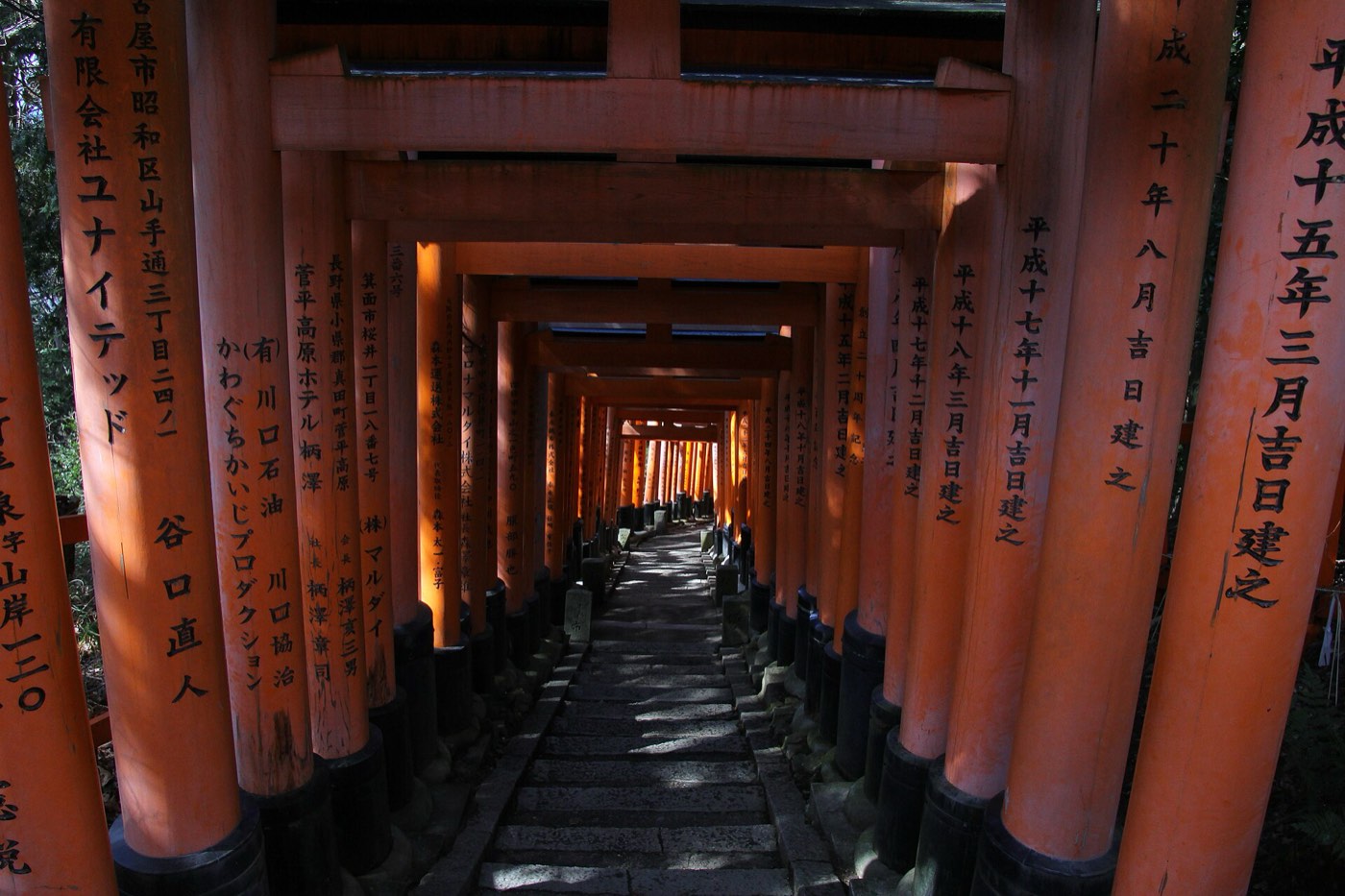
- Fushimi Inari at dusk ★★★★★ · free, open around the clock — ten thousand vermilion torii up a mountain. Shoulder-to-shoulder at noon, near-empty at dusk two-thirds up, lanterns coming on as you descend. Unforgettable.


Day 14: Kinosaki Onsen, the night we’d rebook first
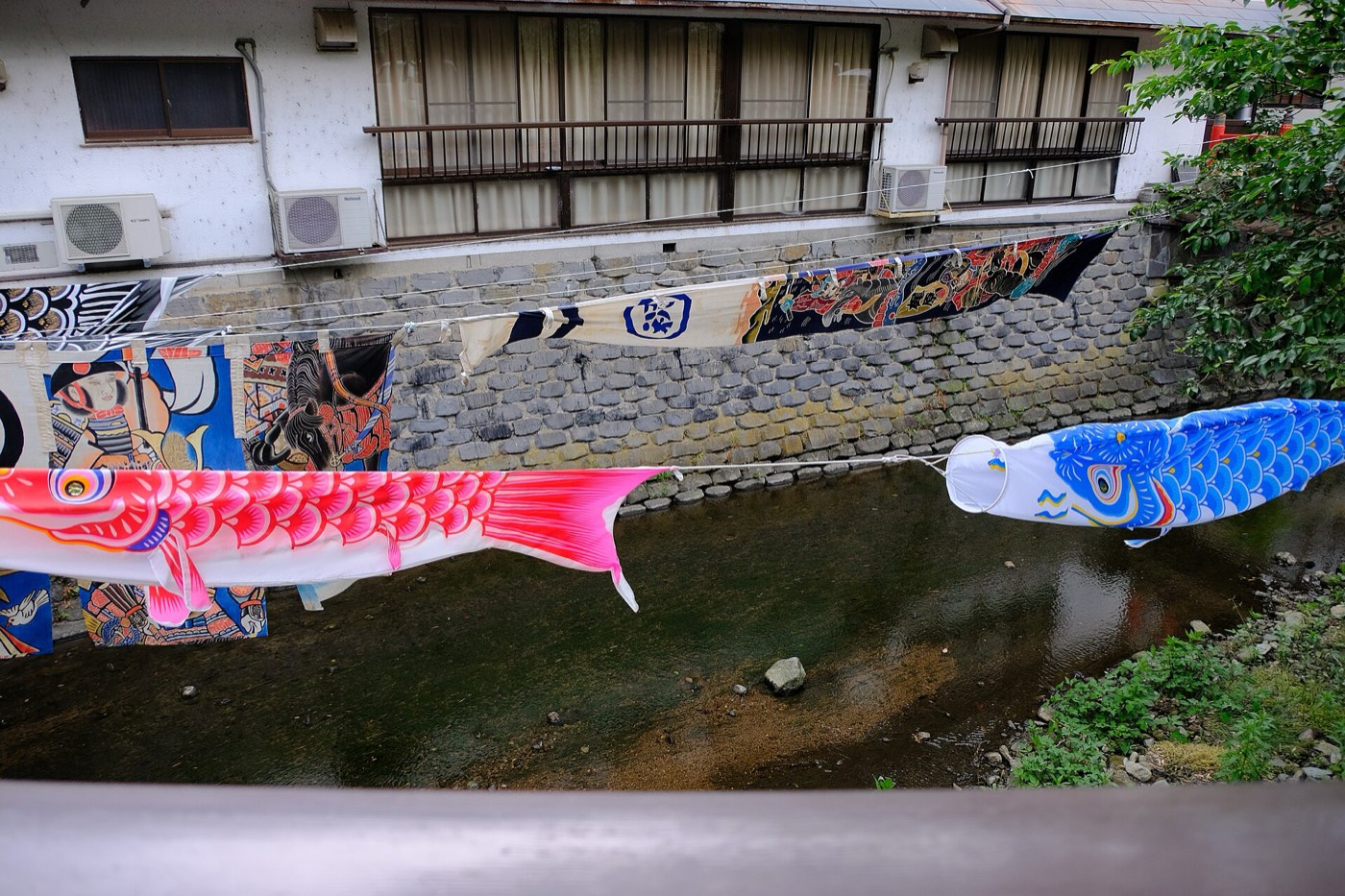
★★★★★ · ~2.5 h northwest by limited express (JR Pass). A small town organised entirely around seven public bathhouses and a willow-lined canal — the town is the resort, and dressing up is the whole point.
- The seven baths ★★★★★ · pass included with your ryokan stay — check in, put on the yukata and geta they hand you, and join everyone clacking down the street from bath to bath. Three or four in an evening and morning is a realistic score. Notably tattoo-friendly, which most onsen towns still aren’t.
- The ryokan night ★★★★★ · ~300 francs for two, our one splurge (the exact bill is in part 1’s hotel table) — dinner in your room, futons laid out while you’re in the bath. If one night of the trip earns it, it’s this one. Winter is crab season; spring is the canal under blossoms at half the crowds.
_01.jpg)
Day 15: tea in Uji
★★★★★ · JR from Kyoto, ~20 min, ~¥240, an easy stop heading south — this is where Japanese green tea became an art form. We slept in Osaka that night (okonomiyaki again, plus Northshore’s chocolate-dipped strawberries before they close at 6 pm) — beds there ran well under Kyoto prices.
- Tea ceremony at Taihō-an ★★★★★ · ~¥1,000 — the city’s own tea house: unhurried, quietly explained, and far cheaper than the tourist versions elsewhere. Reserve ahead.
- Tsuen ★★★★★ · price of a tea — selling tea from the same corner since 1160; plausibly the oldest tea house on earth.
- Matcha everything ★★★★★ — noodles, gelato, the lot. That’s the rule for the afternoon.
Day 16: the golden temple, then a mountain between shrines
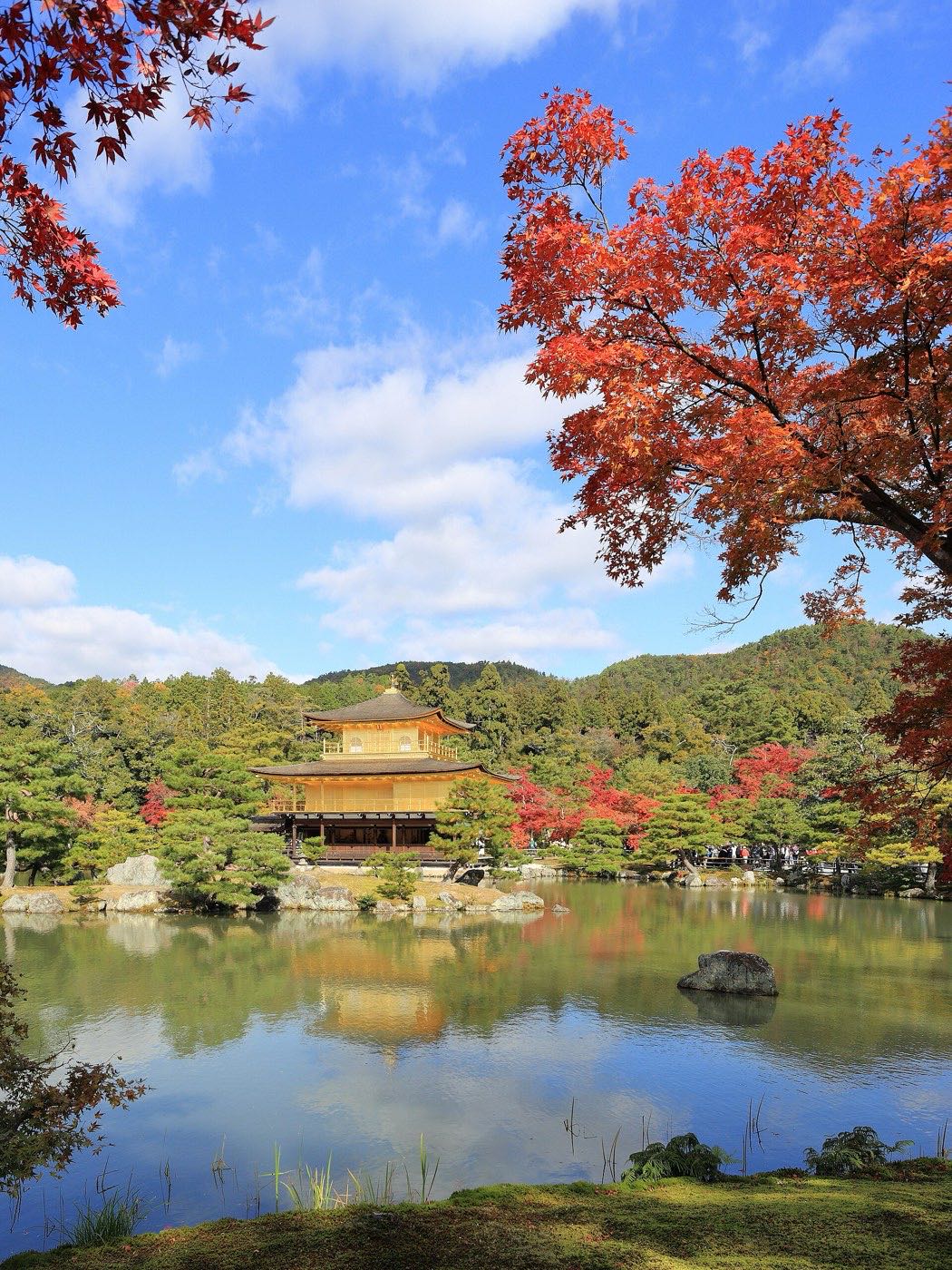
★★★★★ · Kinkaku-ji first thing by bus, then the little Eizan railway north into the mountains (~30 min, ~¥470).
- Kinkaku-ji at 9 am ★★★★★ · ~¥500 — the most famous sight in Kyoto and the most crowded by 10. Be at the gate for opening and you get twenty minutes of the postcard with room to breathe.
- Kibune ★★★★★ · free — a one-street village stacked along a stream; the lantern-lined stone steps of Kifune Shrine are the photo.
- The Kibune–Kurama hike ★★★★★ · free — a forest trail over the ridge to Kurama-dera: an hour and a half of roots, cedars, and mountain temple halls, dropping you at the train back. The quietest half-day within reach of Kyoto, and the antidote to its crowds.

Days 17–20: the Tokyo victory lap
★★★★★ · Shinkansen back, ~2.5 h (JR Pass). The list of things Tokyo didn’t have room for the first time.
- Gōtokuji ★★★★★ · free — the temple filled with thousands of beckoning lucky-cat figurines, origin of the maneki-neko. Criminally underrated.
- Happy Pancakes ★★★★★ · ~¥1,200 — the soufflé kind that wobble; queue in the morning.
- Shimokitazawa ★★★★★ — an afternoon of vintage shopping and funky bars.
- A sushi-making class ★★★★★ · ~¥10,000 — after two and a half weeks of eating it, learning to press nigiri properly was the right way to close the food arc.
- Quiet corners ★★★★★ · free — the Imperial Palace East Gardens and the vermilion corridors of Nezu Shrine; then Akihabara’s arcades, Tokyo Tower at night, and one last night in Golden Gai (part 1 has the picture).
The wrap-up: numbers and verdicts
Twenty days, fourteen towns, one loop: Tokyo → Kamakura → Yokohama → Mt Fuji → Osaka → Nara → Hiroshima → Miyajima → Himeji → Kyoto → Kanazawa → Kinosaki → Uji → Kibune/Kurama → Tokyo. (Full costs and the hotel-by-hotel list are at the top of part 1 — short version: ~9,500 francs all-in for two, from Europe, 14 March – 2 April.)
Book first: the JR Pass online before flying, teamLab and Shibuya Sky, the Shigetsu temple lunch, the Taihō-an tea ceremony, a sushi class, and the driving-licence translation two weeks out if you want the street kart.
We’d repeat without hesitation: planning the whole trip around cherry-blossom timing; the stamp book (the best souvenir we own); one onsen-town overnight in the middle as a reset; basing in Namba and Kyoto Station rather than moving hotels nightly.
If you only steal five things: Fushimi Inari at dusk, the Himeji keep in bloom, the Chūreitō Pagoda view of Fuji, the Hiroshima Peace Memorial, and Kinosaki in a yukata after dark.