Twenty days in Japan, part 2: Osaka, Nara, Hiroshima, Himeji
Five days in, we pointed the Shinkansen south. This is the leg where a rail pass earns its keep: one hotel in Osaka, with Nara, Hiroshima, Miyajima, and Himeji all radiating out from it.
Part 2 of 3 — the full plan, route map, and costs are in part 1: the trip plan, Tokyo, Kamakura, and Mt Fuji; the finale is part 3: Kyoto, Kanazawa, and an onsen town. Photos are CC-licensed from Wikimedia Commons — credits in each caption.
| Day | Stop | Don’t miss | Getting there | Rating |
|---|---|---|---|---|
| 6 | Osaka | ekiben on the train, Dōtonbori at full neon | Shinkansen, ~3 h, JR Pass | ★★★★★ |
| 7 | Nara | Tōdai-ji, deer that bow back | Kintetsu, ~45 min, ~¥700 | ★★★★★ |
| 8 | Osaka | castle grounds in bloom, Shinsekai | metro | ★★★★★ |
| 9 | Hiroshima + Miyajima | Peace Memorial, the floating torii | Shinkansen, ~1.5 h, JR Pass | ★★★★★ |
| 10 | Himeji → Kyoto | the keep in blossom | Shinkansen, ~30 min, JR Pass | ★★★★★ |
Day 6: the ekiben ritual, then Dōtonbori
★★★★★ · Tokyo → Shin-Osaka, ~3 h on a Hikari (the pass skips the faster Nozomi; the Hikari is minutes slower on the same track). Base: Namba — Dōtonbori, the food streets, and two train hubs on foot.
- The ekiben ★★★★★ · ~¥1,500 — buy a bento and a drink on the platform, unpack it at 285 km/h with Fuji sliding past. Not a means to an end; one of the trip’s events.
- Rikuro’s cheesecake ★★★★★ · ~¥1,000 — a whole one, warm from the oven, jiggly. A Namba institution.
- Namba Yasaka Shrine ★★★★★ · free — a stage shaped like a giant open-mouthed lion, said to swallow bad luck. Closes 5 pm.
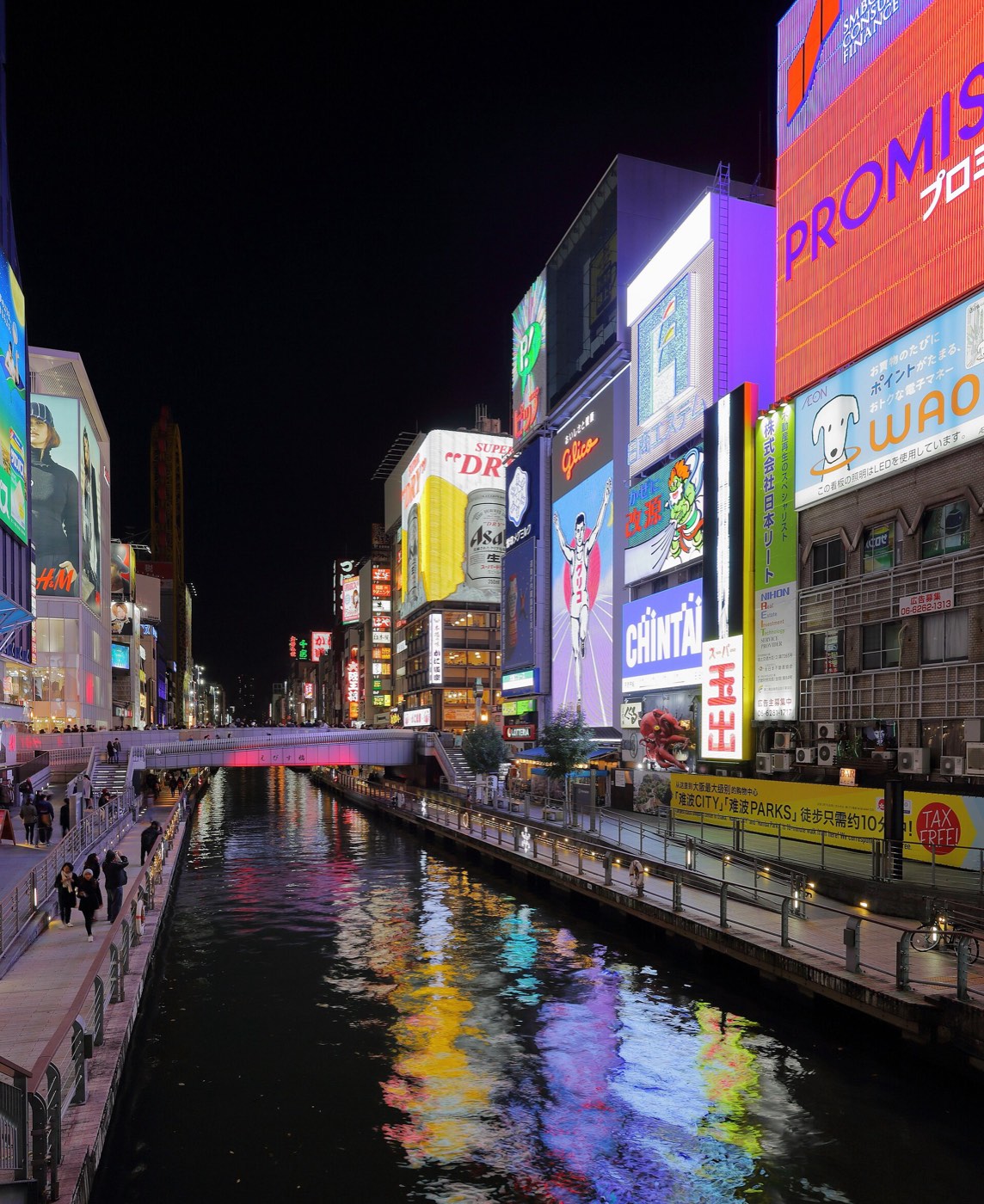
- Dōtonbori at full neon ★★★★★ · free — after a bewildering hour in Don Quijote.
- Takoyaki at Jūhachiban ★★★★★ · ~¥600 — crisp outside, molten inside. Eat them standing by the canal like everyone else.

Day 7: Nara, where the deer bow back
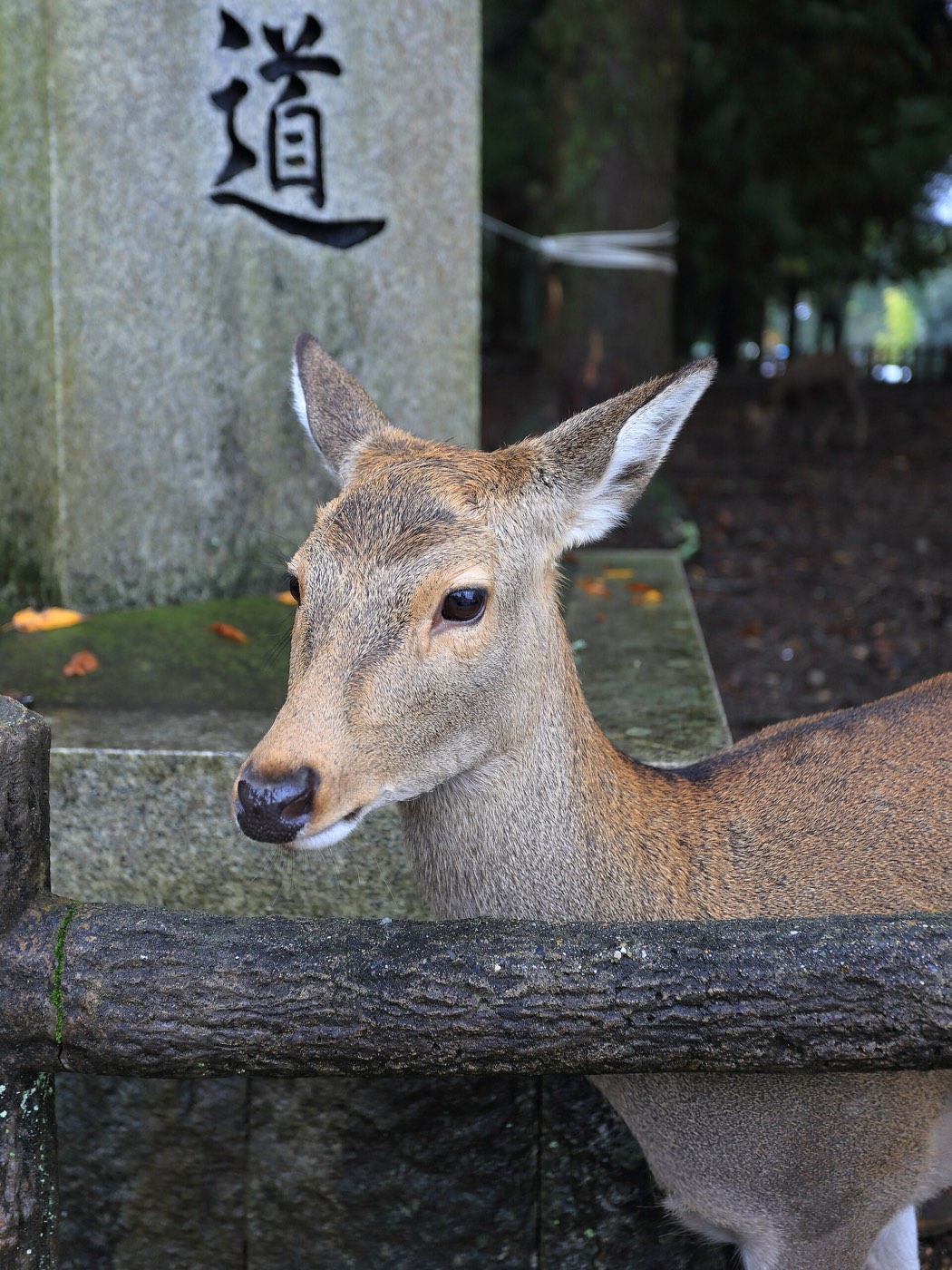
★★★★★ · Kintetsu line from Namba, ~45 min, ~¥700. Eighth-century Japan compressed into one walkable park. If the timing works, the plush Aoniyoshi tourist express runs this route — book early or admire it from the platform, as we did.
- Tōdai-ji ★★★★★ · ¥600 — one of the largest wooden buildings on earth with a fifteen-metre bronze Buddha inside; then up to Nigatsu-dō for the free balcony view over the city.
- The bowing deer ★★★★★ · ~¥200 for crackers — bow, and a deer bows back, then follows you with intent. Over a thousand roam free.
- Nakatanidou ★★★★★ · ~¥200 — the high-speed mochi-pounding shop: two men hammering rice dough faster than seems survivable. The softest yomogi mochi you’ll ever eat, still warm.
- Izasa ★★★★★ · lunch — kakinoha-zushi, sushi pressed in persimmon leaves, the local specialty.
- Back in Osaka: okonomiyaki at Okaru ★★★★★ — they draw on your pancake in mayonnaise.

Day 8: castle, retro Osaka, photo booths
★★★★★ · A metro day, and the one to shuffle in if rain hits — most of it absorbs weather happily.
- Osaka Castle grounds ★★★★★ · grounds free, keep ¥600 — the keep is a modern museum inside; in blossom season the Nishinomaru garden’s six hundred cherry trees are the actual point.
- Shitennō-ji ★★★★★ · ~¥300 — one of Japan’s oldest temple complexes, far quieter than anything else this famous.
- Shinsekai + kushikatsu ★★★★★ · ~¥1,500 — the gloriously unreconstructed retro district. Deep-fried skewers; the no-double-dipping rule is enforced with religious seriousness.
- Amerikamura + purikura ★★★★★ · ~¥500 a booth — vintage shopping, then a photo booth that will enlarge your eyes, smooth your skin, and humble you.
- Umeda Sky Building or Harukas 300 ★★★★★ · ~¥1,500 — if the evening is clear, the night view.
Day 9: Hiroshima and Miyajima
★★★★★ · Shinkansen from Shin-Osaka, ~1.5 h, JR Pass. The heavy day, and the one we’d defend hardest.
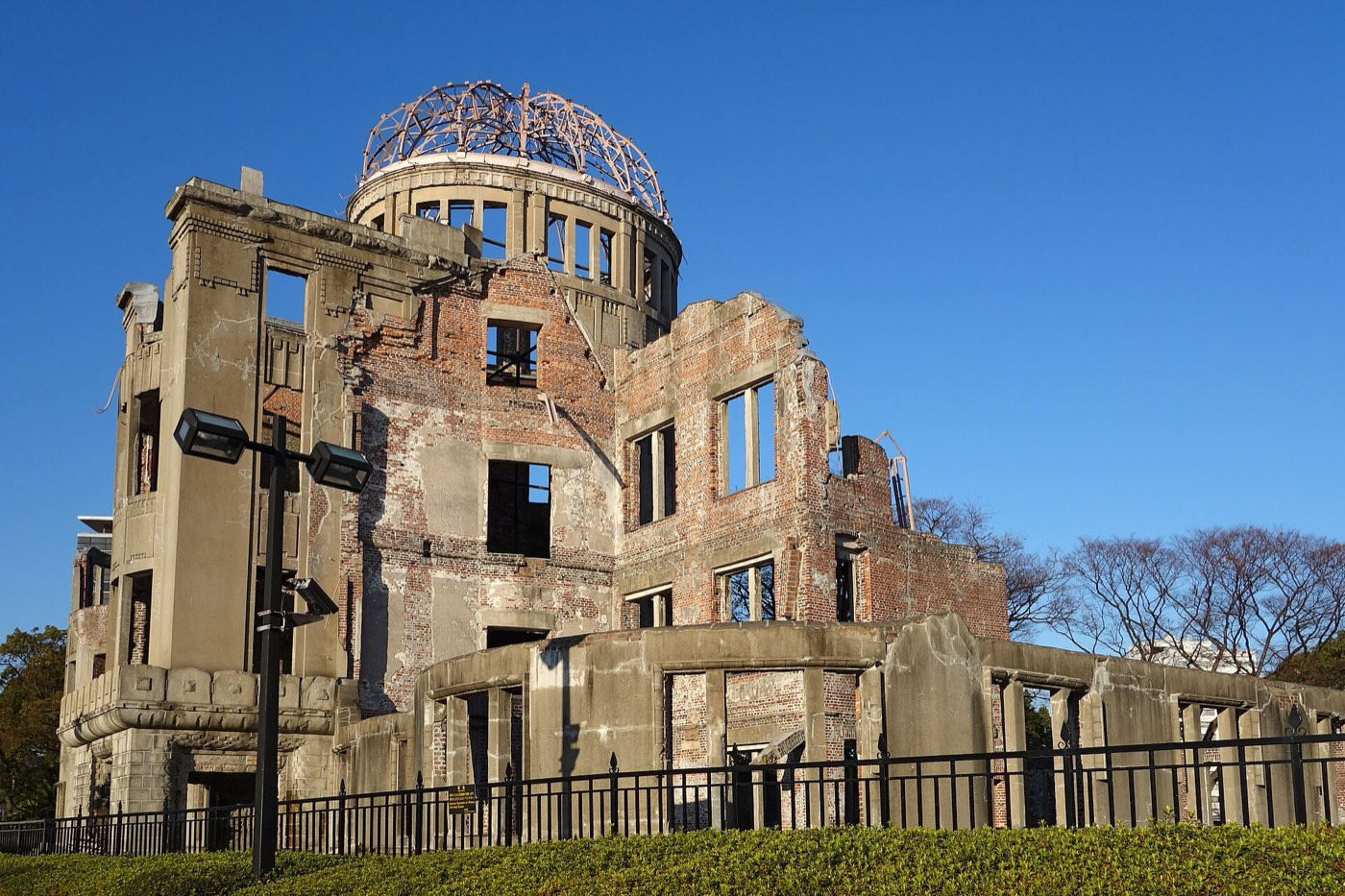
- Peace Memorial Park and Museum ★★★★★ · ¥200 — give it two to three unhurried hours. Direct, personal, devastating — as it should be.
- Genbaku Dome ★★★★★ · free — the one building left standing near the hypocentre, preserved exactly as it was. Does more with silence than any text panel could.
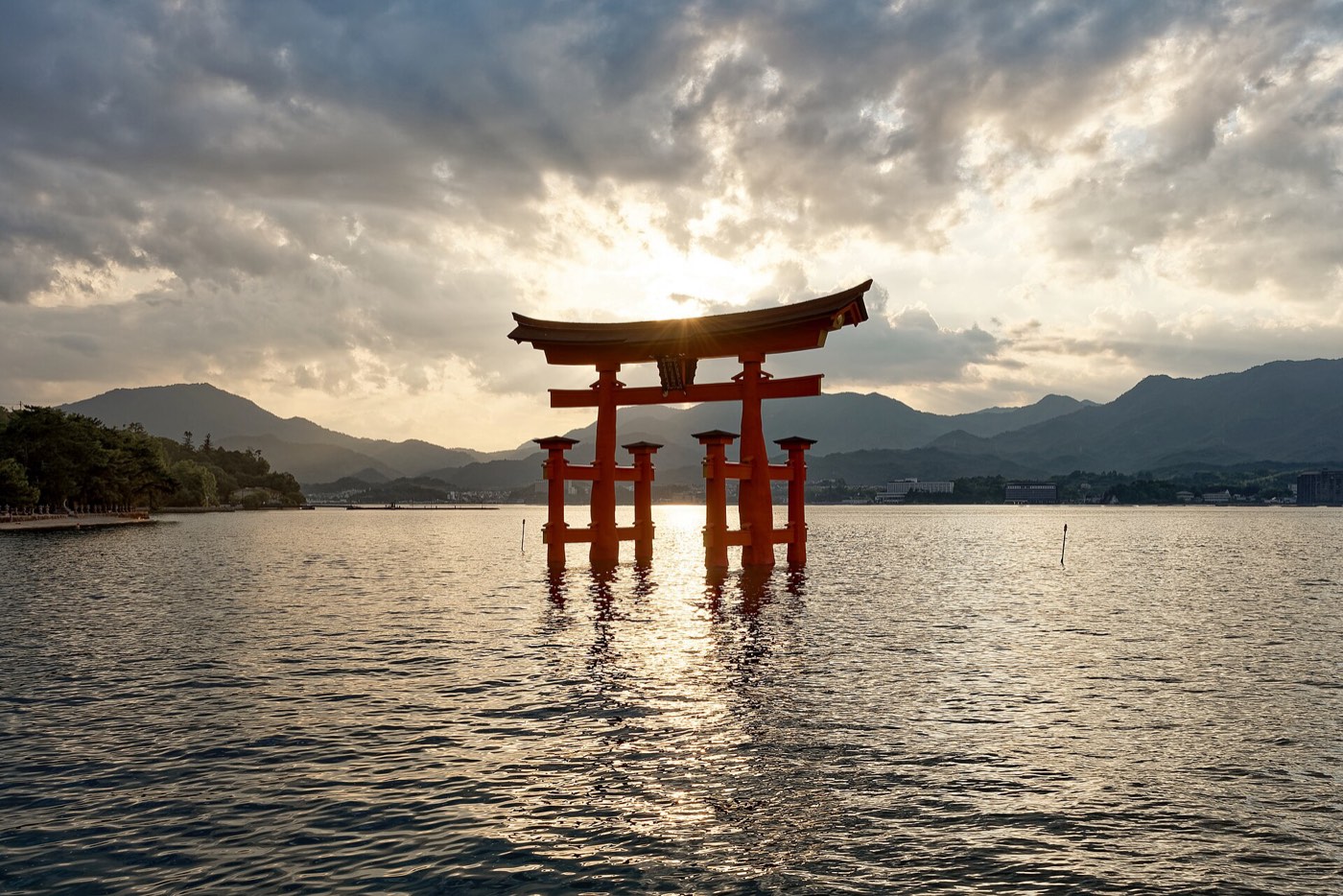
- Miyajima + the floating torii ★★★★★ · tram + ferry, ~¥1,000 return — check the tide table first: high tide floats the gate, low tide lets you walk to its feet. Both are worth seeing. The deer here are bolder than Nara’s.
- Hiroshima-style okonomiyaki ★★★★★ · ~¥1,200 — layered over noodles rather than mixed. Order it purely to take a side in the Osaka–Hiroshima rivalry.


Day 10: Himeji, then on to Kyoto
★★★★★ · Check out of Osaka, lockers at Himeji station, ~30 min by Shinkansen (JR Pass); Kyoto is under an hour onward.
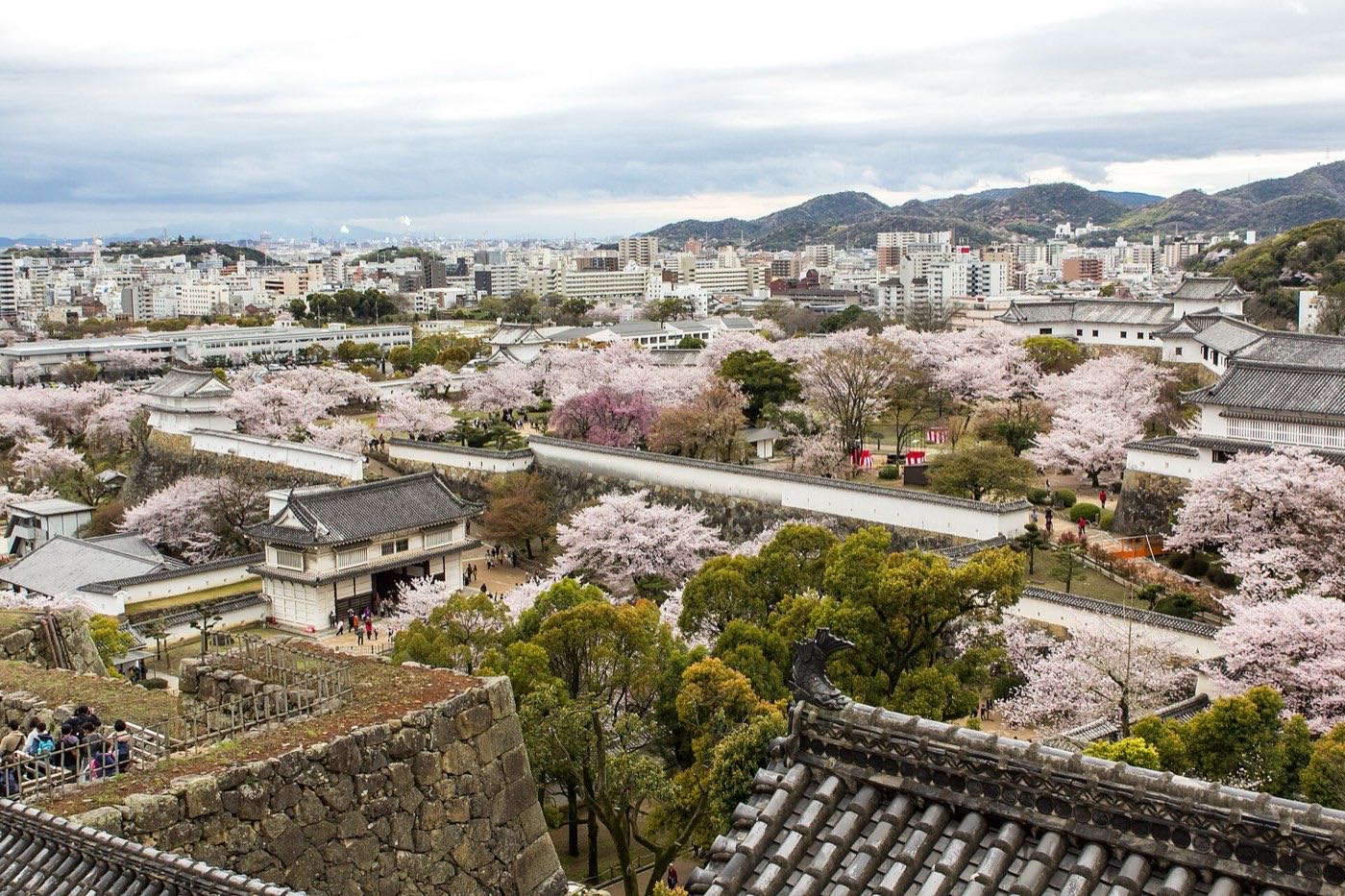
- Himeji Castle ★★★★★ · ¥1,000 — the finest original castle in Japan: never burned, never bombed, never rebuilt in concrete. In late March the grounds go full pink, and the climb up the keep’s ladders earns the single best castle view in the country.

If you go: part 2 notes
- Base in Namba, radiate outward. Every day trip in this leg works from one Osaka hotel. Fewer hotel changes was the most underrated optimisation we made.
- Order the days by weather. Hiroshima/Miyajima and Himeji are outdoor days; Osaka absorbs rain. Nothing here needs advance tickets except the Aoniyoshi train, so shuffle freely.
- Miyajima runs on tides — look up the table and aim to catch the torii both floating and walkable.
- A half-day to spare? Minoo Park, twenty minutes north of Umeda: a river-gorge walk to a waterfall, with stalls selling momiji tempura — deep-fried maple leaves.
- Eat-list for the leg: takoyaki at Jūhachiban and okonomiyaki at Okaru (Osaka) · kushikatsu in Shinsekai · onigiri at Gorichan (Namba) · kakinoha-zushi at Izasa and warm mochi at Nakatanidou (Nara) · Hiroshima-style okonomiyaki (no notes).
Next: part 3 — Kyoto’s temples and tea, a gold-leaf day in Kanazawa, and a night in an onsen town.